What we build for these businesses
Skincare and cosmetics is a brand-led, claims-heavy, repeat-purchase market. The site has to look worth the price, load fast enough that nobody drops out of the basket, keep product and ingredient data straight, and stay on the right side of what you are allowed to claim. Get any of those wrong and the ad spend goes nowhere.
- E-commerce
- Web design & development
- Product & ingredient data
- Subscriptions & repeat purchase
- Branding
- Product photography & video
- SEO & AI search
- Hosting & support
These are the projects where a fast, plain checkout beats a clever one every time. Two of the builds below are deliberately simpler than what was first asked for, because the conversion mattered more than the flourish.
Live sites in the sector
Every one of these is a live site for a real business. No stock screenshots, no “representative examples”: click through and check.

CULT51
Clinically proven luxury skincare, London / Leeds
A luxury skincare brand where the site has to justify the price before it asks for it, and the checkout has to get out of the way.
Visit the site ›
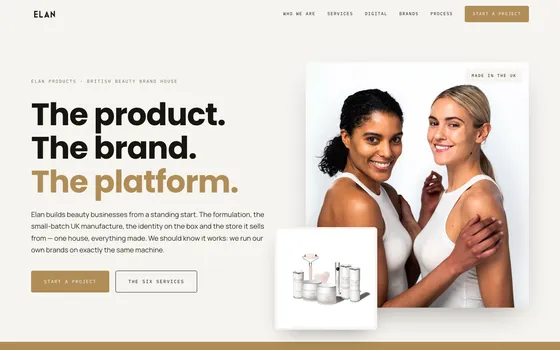
Elan
Beauty brand builders, Leeds
A business that builds beauty brands for other people, so the site has to demonstrate the standard it sells.
Visit the site ›
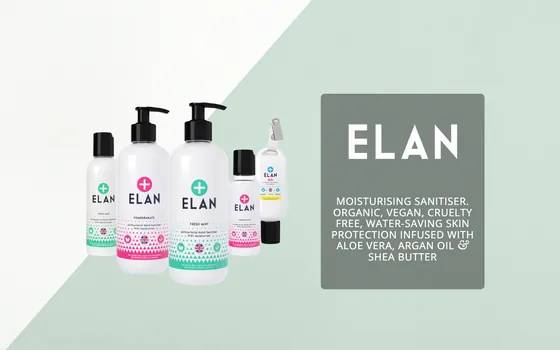
Elan Products
Product manufacture, Leeds
The manufacturing side, built for a trade buyer rather than a consumer.
Visit the site ›
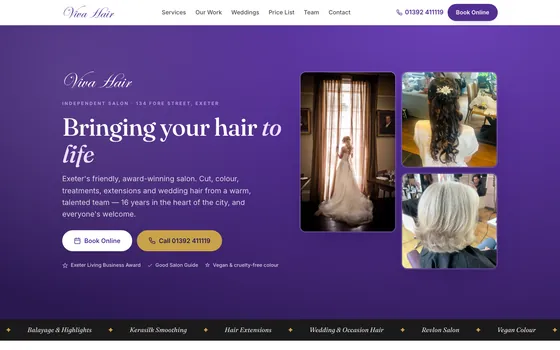
Viva Hair 134
Award-winning salon, Exeter
A salon where the site exists to fill the diary. Bookings and location first, everything else after.
Visit the site ›
What a beauty brand site has to get right
Beauty is the sector where the website is the product experience. There is no test sample and no showroom, so the site has to carry the entire job of making something feel worth paying for. That puts more weight on photography, typography and pace than almost anywhere else we work.
The technical side is unforgiving too. Product pages need variants, ingredients, usage, claims and reviews without turning into a wall of text. Image-heavy pages still have to load fast on a phone, because a beauty customer browsing on mobile will leave long before a haulage buyer would. And anything making a clinical or dermatological claim needs that claim handled carefully and consistently, because it is both a trust issue and a regulatory one.
The other thing we have learned building in this sector: the checkout is where beautiful sites usually fall over. Getting the aesthetic right and then losing the sale to a clumsy basket, a surprise delivery cost or a required account signup is the most expensive mistake in beauty e-commerce, and it is entirely avoidable.
Getting found in beauty
Beauty splits cleanly into two different search problems, and they need different work.
A salon is a local business and lives or dies on the map pack, reviews and a Google Business Profile that is actually filled in. The website supports that rather than replacing it, and the fastest wins are usually not on the website at all.
A product brand is a national or international business with no geographic limit, competing on product searches, ingredient searches and comparison queries. That is a content and structured-data job: proper product markup, real reviews, and pages that answer the questions people ask before they buy rather than after.
AI answers matter unusually much here. People increasingly ask assistants what to use for a specific skin concern rather than searching a product name. Being quoted in that answer depends on having clear, factual, well-structured content about what your product is and who it is for, which is a different discipline from ranking and one most beauty brands have not started.
What it costs and how long it takes
Landing pages start from £500. Brochure sites, e-commerce and bespoke platforms are quoted to scope, because pretending otherwise produces a number that changes the moment we understand the job. You get a fixed price before anything starts, and it does not move unless you ask for something new.
On timescales: a simple page can be turned around in 24 to 48 hours, most brochure sites go live in three to six weeks, and e-commerce or custom builds run six to twelve weeks. The variable is almost never us. It is how quickly copy, photography and technical detail come back, and we will tell you at the start which of those sits on your side of the line.
We are founder-led, so the person who quotes the job is the person who builds it. Nothing is subcontracted, and you are not paying for an account manager to relay messages between you and the person doing the work.
What clients say
Reviews from Google and Trustpilot, quoted as written. There are more on our reviews page.
★★★★★
“Exceptional service - dedicated & responsive to brief It’s taken me years to find someone that understand my business to be able to do a website justice. Thank you Dom !…”
Jo Storrvia Google
★★★★★
“Excellent from start to finish. The website was done before I even knew about it. All the info processed onto the site was seamless, any little tweaks got done straight away. Dom is helpful, friendly and very professional from start to finish.”
Mark Stantonvia Google
★★★★★
“Well what can I say, in 24 hours Create Agency rebuilt my website, sorted the SEO, fixed my emails. Pretty much did everything that my current provider wasn’t doing but was happy to take my money. Brilliant service, can’t recommend enough, thanks again for such a fantastic service. Steve”
Steven Leggettvia Trustpilot
★★★★★
“Create Web Design did an outstanding job on our website. Professional, responsive, and genuinely creative. Dom understood exactly what we needed and delivered ahead of schedule. Communication was excellent throughout. Highly recommend if you want a team that actually cares about the result, great work.”
Ian Prattvia Google
★★★★★
“Create has nothing but helped me and my business grow. Cannot recommend him enough. If you need your website building, give him a shout. Even better guy”
George Whitingvia Google
★★★★★
“Great experience working with Dom. Good communication, helpful throughout, and put real effort into getting the site up and running. Appreciate the work and would recommend.”
Mark Jvia Trustpilot
Read more reviews ›