Most small businesses don't lose customers because their product is wrong. They lose them because nobody can find them in the first place. After 25 years working with small and local businesses across Devon and beyond, we've seen the same handful of cheap, effective tactics work again and again, and the same piece of bad advice get well-meaning owners into trouble.
None of what follows requires a marketing budget. It requires consistency and, in one case, a basic understanding of UK law that a surprising number of businesses get wrong.
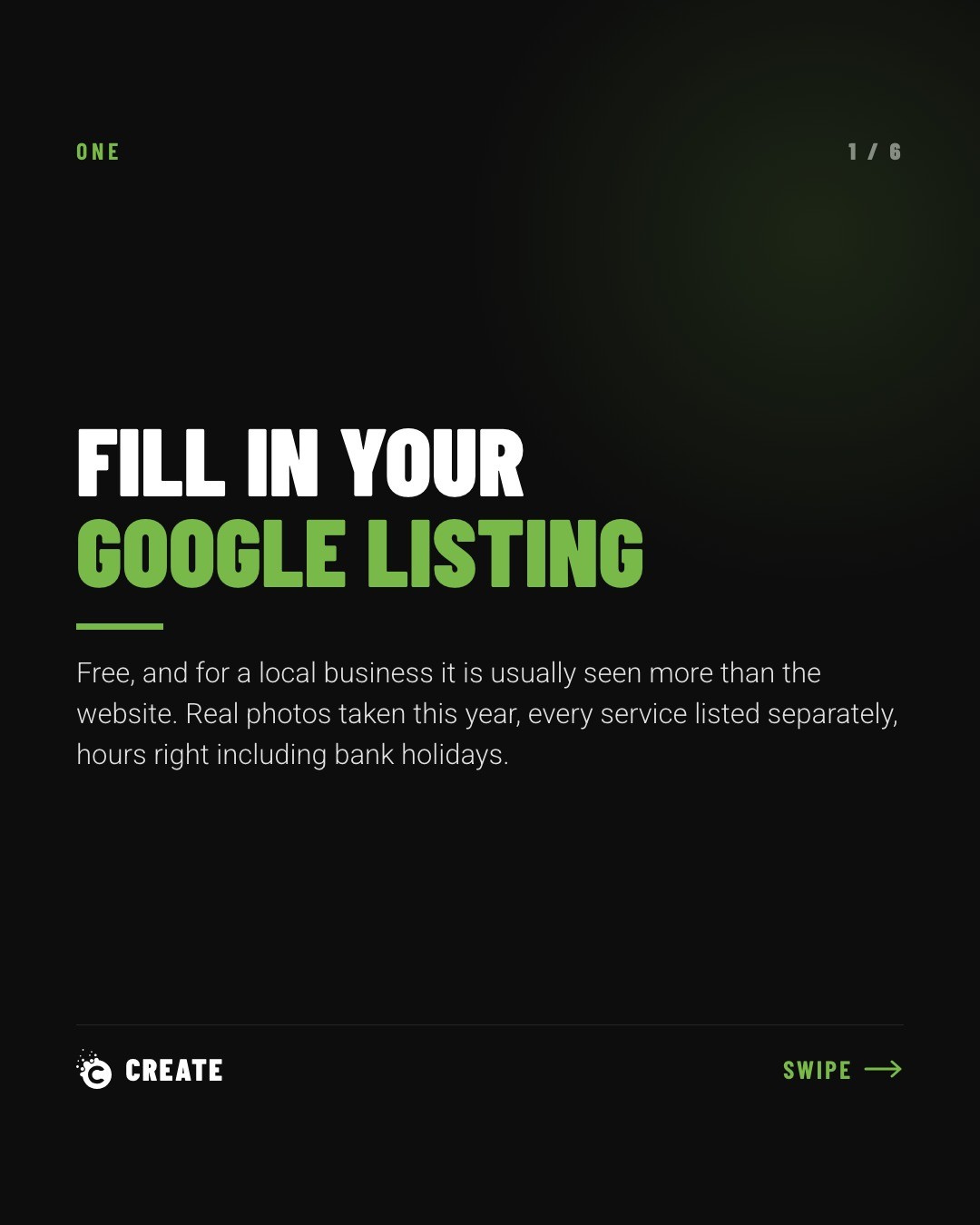
Get Your Google Business Profile Right Before Anything Else
For most local businesses, the free Google Business listing gets seen more than the actual website does. People search for a plumber, a cafe, a hairdresser; Google shows them a map, a phone number, opening hours and reviews before they ever click through to a site.
Fill it in properly. Correct category, service area, photos, opening hours that are actually accurate, and a description that says plainly what the business does and where. This takes an afternoon and costs nothing, yet we still see local businesses with half-finished profiles turning away searches they've already won.
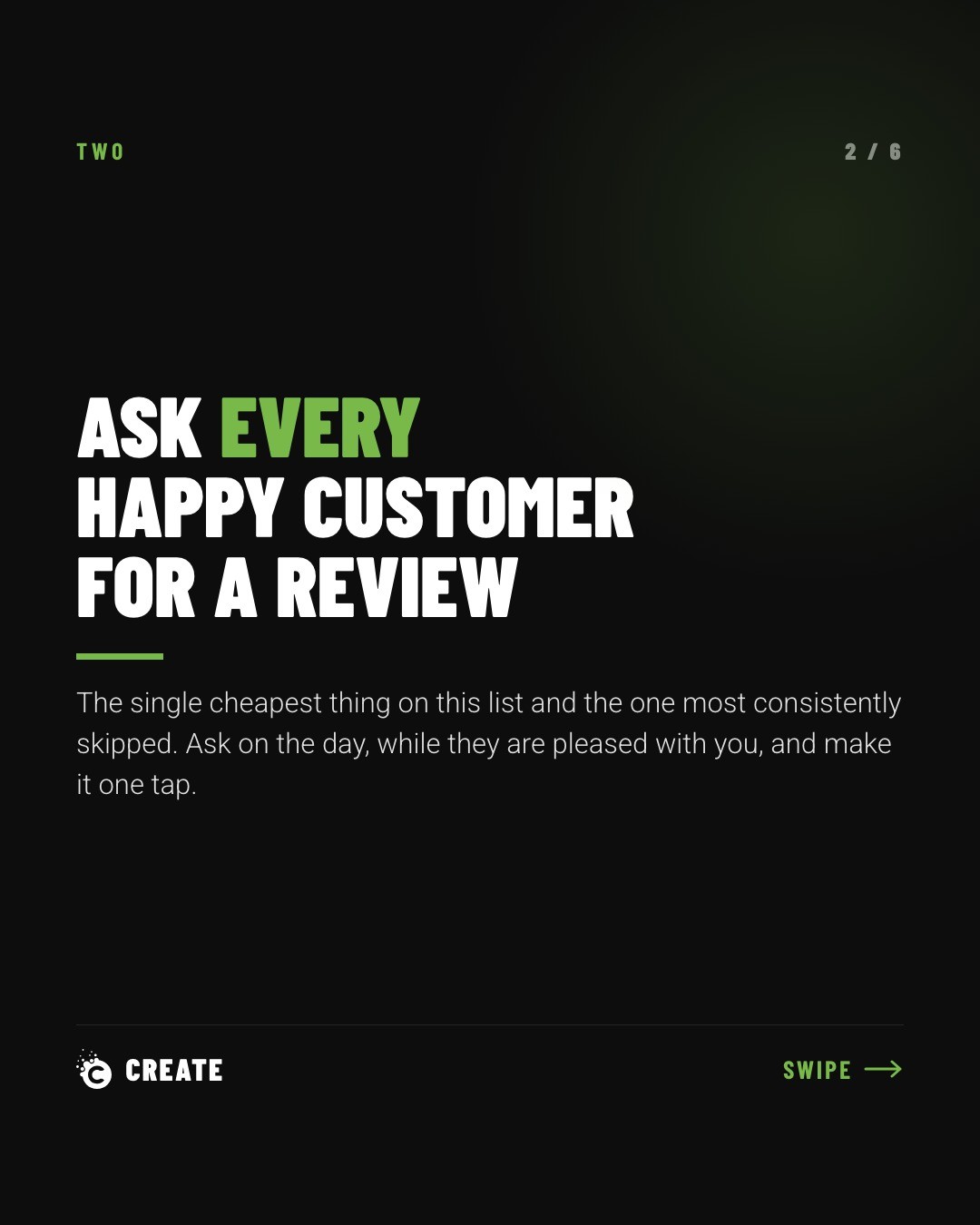
Ask For Reviews While The Customer Is Still Pleased
The best time to ask for a review is the moment the job is finished and the customer is happy, not three weeks later in a follow-up email they'll ignore. Ask on the day, in person or by text, while the goodwill is fresh.
Reviews do two jobs at once: they build trust for the next prospect reading them, and they feed directly into how Google ranks a local listing. A business with twelve recent reviews will consistently outperform a competitor with two, regardless of who has the better website.
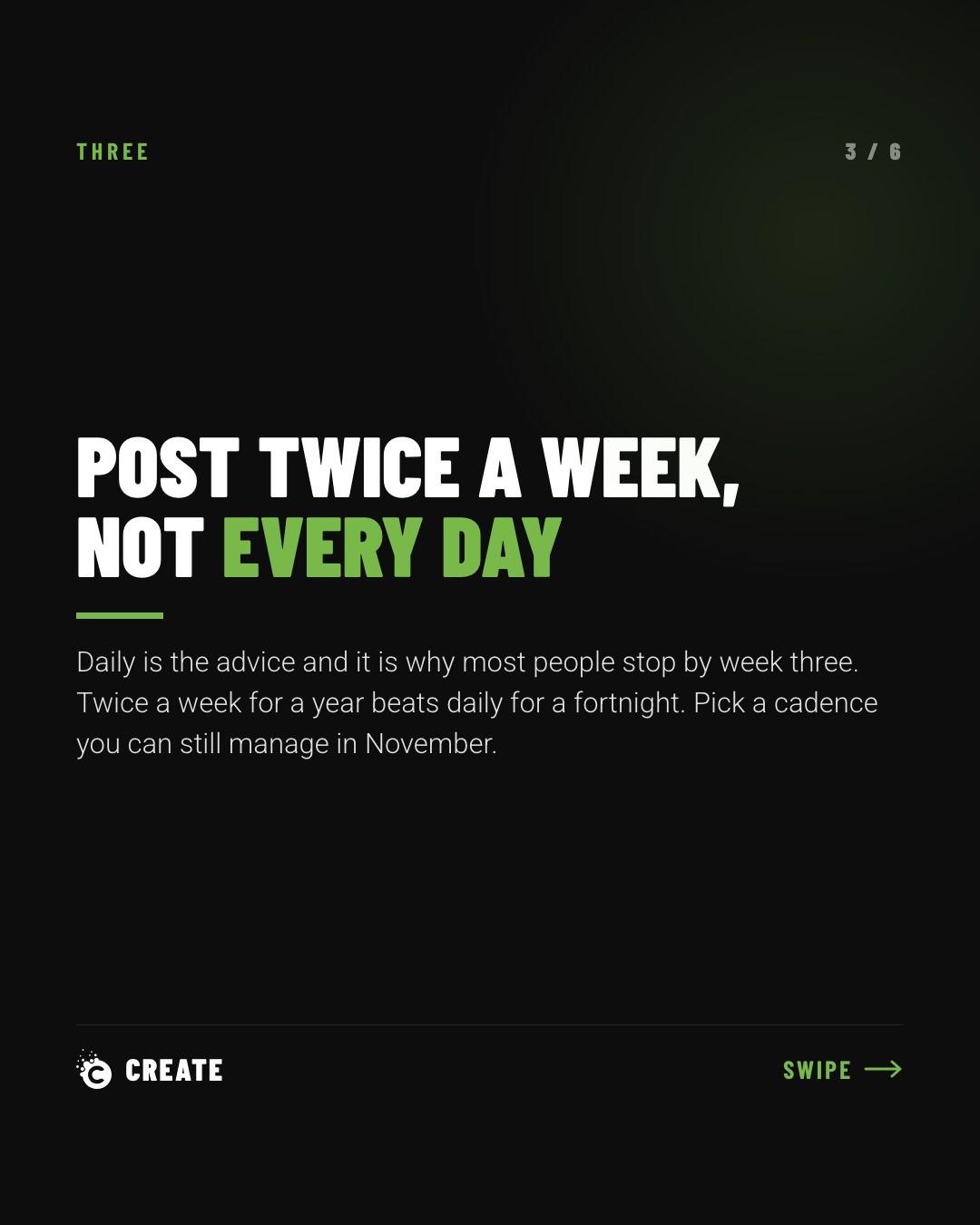
Post Twice A Week, Not Every Day
The common advice is to post daily. It's also exactly why most small business social accounts go quiet by week three. Daily posting is a punishing schedule for a business owner who is also doing the actual job, and burnout kills consistency faster than anything else.
Twice a week is sustainable indefinitely. It keeps a profile looking active without turning content into a second job nobody asked for.
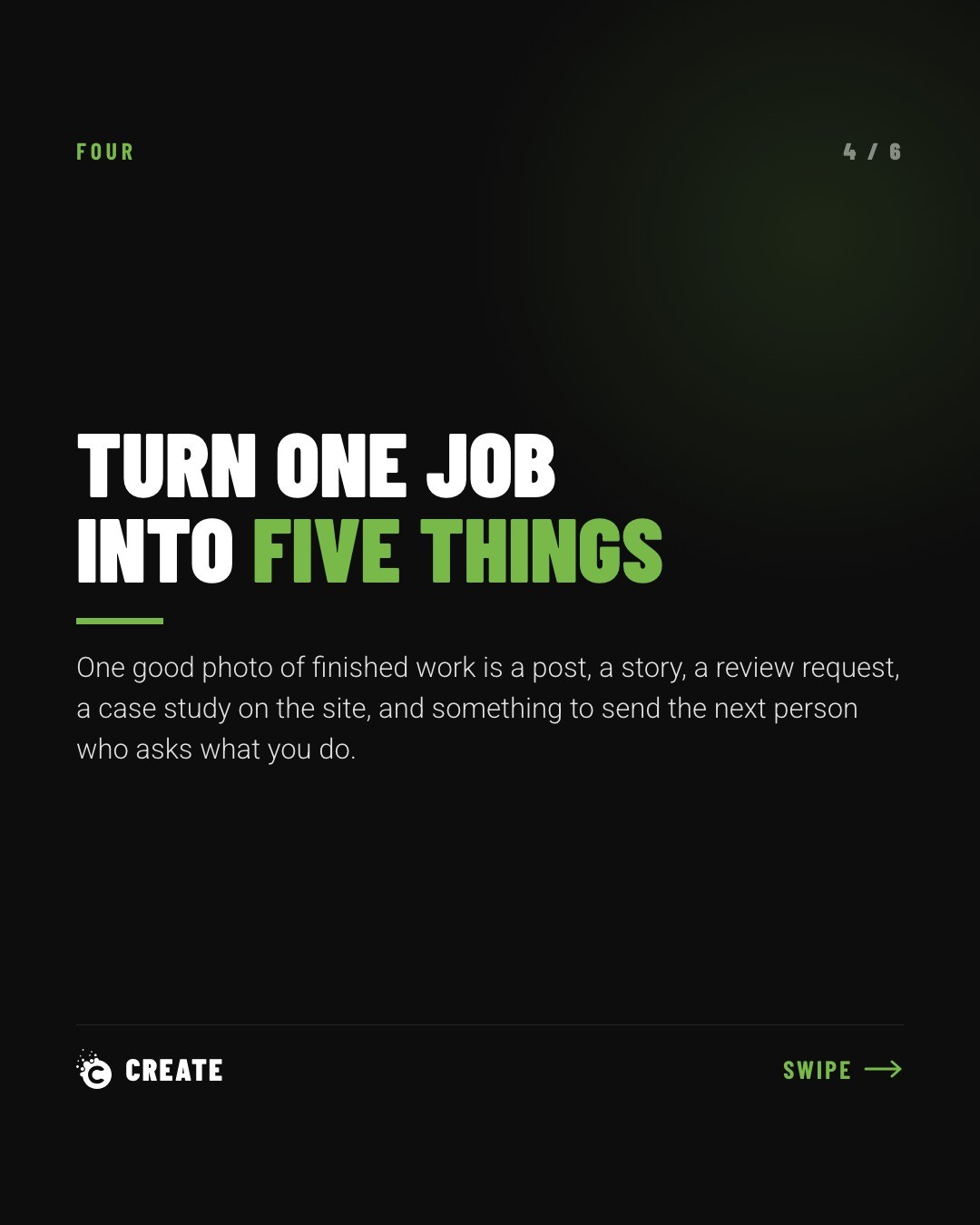
Turn One Finished Job Into Five Pieces Of Content
A single piece of finished work can do more work than most businesses realise. A photo of the completed job is a social post. It's also a review request, the start of a case study, and something to send the next enquiry who asks "can you show me an example".
That's five uses from one job, with no extra effort beyond taking the photo in good light. Most small businesses do the work and then let the evidence of it disappear, which is a waste of genuinely useful marketing material sitting right there on a phone.
Make Referrals Worth Doing On Purpose
Word of mouth already happens for any business doing decent work. Giving people an actual reason to refer, a discount, a small thank-you, a simple incentive, turns something that happens by accident into something that happens on purpose and more often.
It doesn't need to be elaborate. It needs to exist, be easy to understand, and be mentioned at the point a happy customer is most likely to tell someone else about the business.
Small, Tightly Targeted Local Ads Beat Broad Campaigns
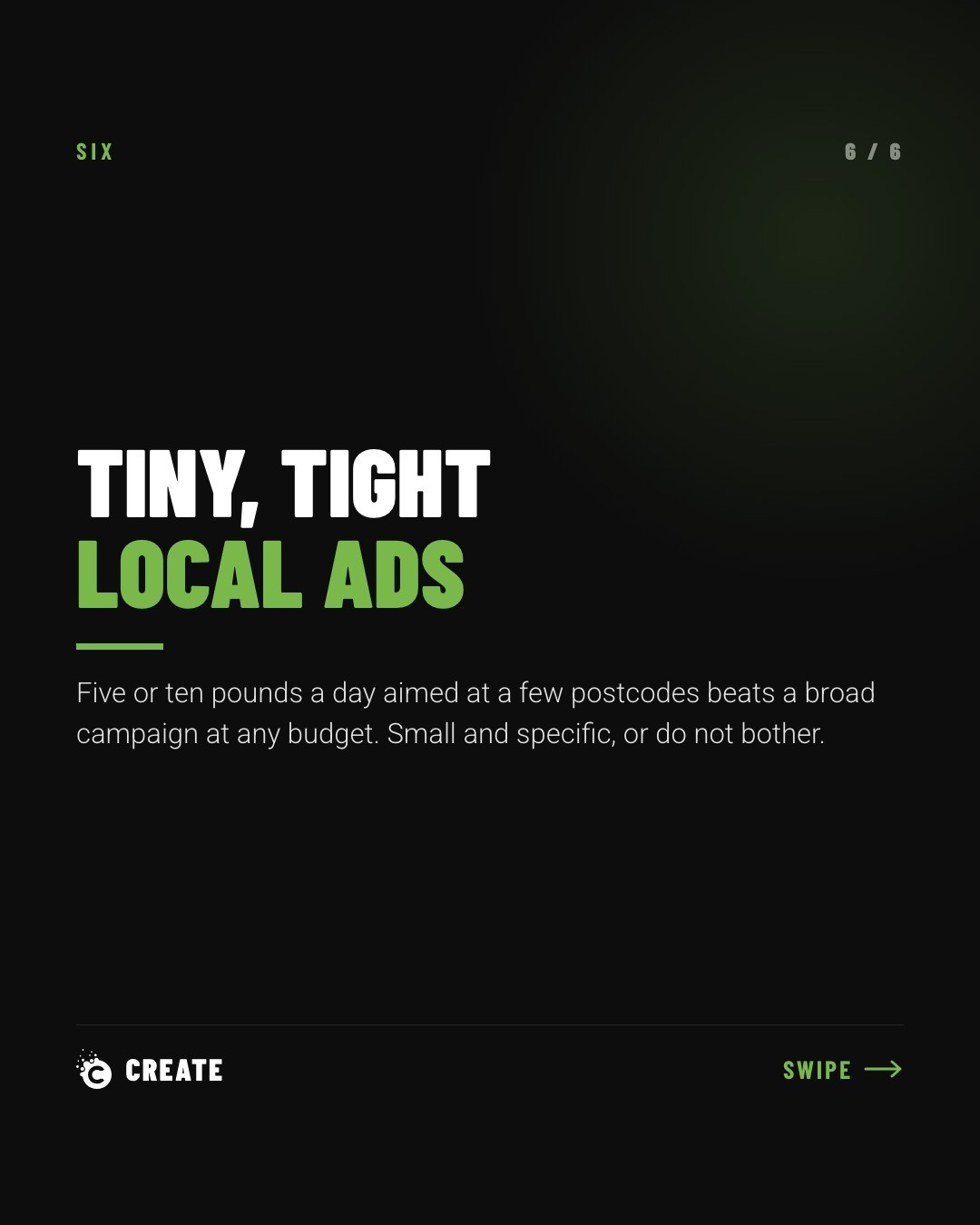
Five or ten pounds a day aimed at a handful of specific postcodes will outperform a broader campaign spread thin across a wider area almost every time. Local businesses don't need reach, they need relevance: the right streets, the right radius, the right audience who can actually become customers.
This is one of the cheapest, most controllable forms of advertising available, and it's routinely underused by small businesses who assume paid ads are only for companies with large budgets.
The Advice To Avoid: WhatsApp Broadcasts To Old Customers
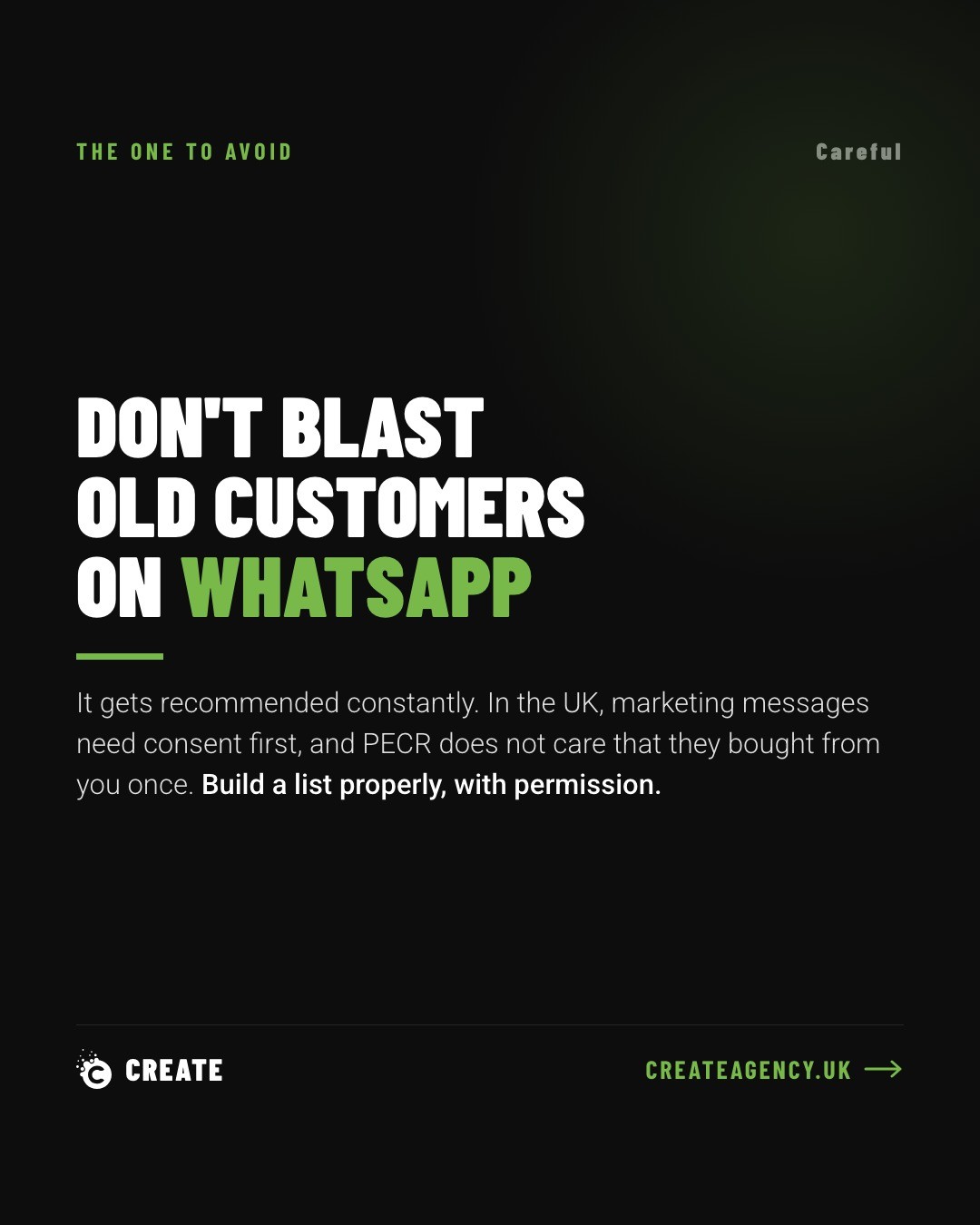
Here's the one that gets recommended constantly and will cause genuine problems: broadcasting offers to old customers on WhatsApp. It gets suggested everywhere as a free, direct way to reach past buyers.
In the UK, marketing messages require consent first. Having bought from a business once, or having a customer's number saved from a previous job, is not consent to send them marketing. This falls under PECR and UK GDPR, and the fines for getting it wrong are not small.
The fix is straightforward: build a proper list, with explicit opt-in, and market to that instead. It takes longer to build but it's legal, and a list built properly tends to convert better anyway because everyone on it actually wants to hear from the business.
None of these six tactics require a large budget, but they do require doing them properly and consistently, which is where most businesses fall down. If getting found locally, building a website that actually converts, or running targeted local ads sounds like more than there's time for in-house, get in touch and we'll talk through what's realistic for the budget involved.