Most small businesses we talk to are not short of activity. Their calendar is full. Their to-do list is longer than their working week. What they are short of is activity that changes anything.
A fourth social platform nobody in the business has time to post on properly. A newsletter that only goes out when guilt strikes, usually a month after the last one. A rebuild of a page that nine people visited last year, none of whom bought anything. It all feels like progress because it fills the day. Filling the day and growing the business are not the same thing, and after 25 years of doing this we can tell the difference from across the room.
Here's the test we'd put to any small business owner: if you stopped doing it tomorrow, would anybody notice, and would the phone ring less? For most of the marketing activity small businesses churn through, the honest answer is no. That's worth sitting with.
The short list that actually matters
Strip away the noise and the list of things that genuinely move a small business forward is short. Be findable when somebody searches for what you do. Answer quickly when they get in touch. Make it obvious what happens next, whether that's a call, a quote, or a booking. Ask happy customers to say so publicly, because nobody trusts a business more than they trust another customer. Do the work well enough that people come back without needing to be chased.
That's close to all of it. Five things, not fifty. Everything else on the average small business marketing plan is optional, and a fair chunk of it is a hobby with a spreadsheet attached: satisfying to maintain, poor at generating revenue.
Why busy work survives so long
Busy work survives because it's comfortable. Posting on a social platform feels like doing something. Redesigning a page feels like progress. Both are measurable in the sense that you can point to output, a post published, a page live, but neither answers the only question that matters: did it change anybody's behaviour?
We see this constantly with small businesses across Devon and further afield. Owners are working long hours on marketing tasks that were fashionable five years ago, inherited from a previous employee, or copied from a competitor without asking whether the competitor's approach is actually working either. Nobody audits the marketing plan the way they'd audit the accounts. If they did, most small businesses would find several activities that cost time and money and return nothing measurable.
Findability is not optional
Of the short list, findability tends to get the least honest attention. Small businesses assume that having a website means being found, which is not true. Being found means showing up when someone searches for what the business actually does, in the area it actually serves, at the moment someone actually needs it.
That requires a site built and structured properly, not just one that exists. It requires the basics of SEO done consistently rather than as a one-off project. It requires understanding what people actually type into Google when they need a plumber, an accountant, or a bathroom fitted, and making sure the business answers that search rather than talking about itself in isolation.
Speed and clarity beat almost everything else
Once someone finds a business, the next two things that matter are speed of response and clarity of next step. A small business that answers an enquiry within the hour will beat a competitor with a prettier website who answers in three days. A page that makes the next step obvious, call this number, book here, get a quote, will outperform a page that makes visitors work to figure out what to do.
These are not glamorous fixes. They rarely get a case study written about them. But they are the difference between marketing that generates revenue and marketing that generates activity.
Building one thing instead of five
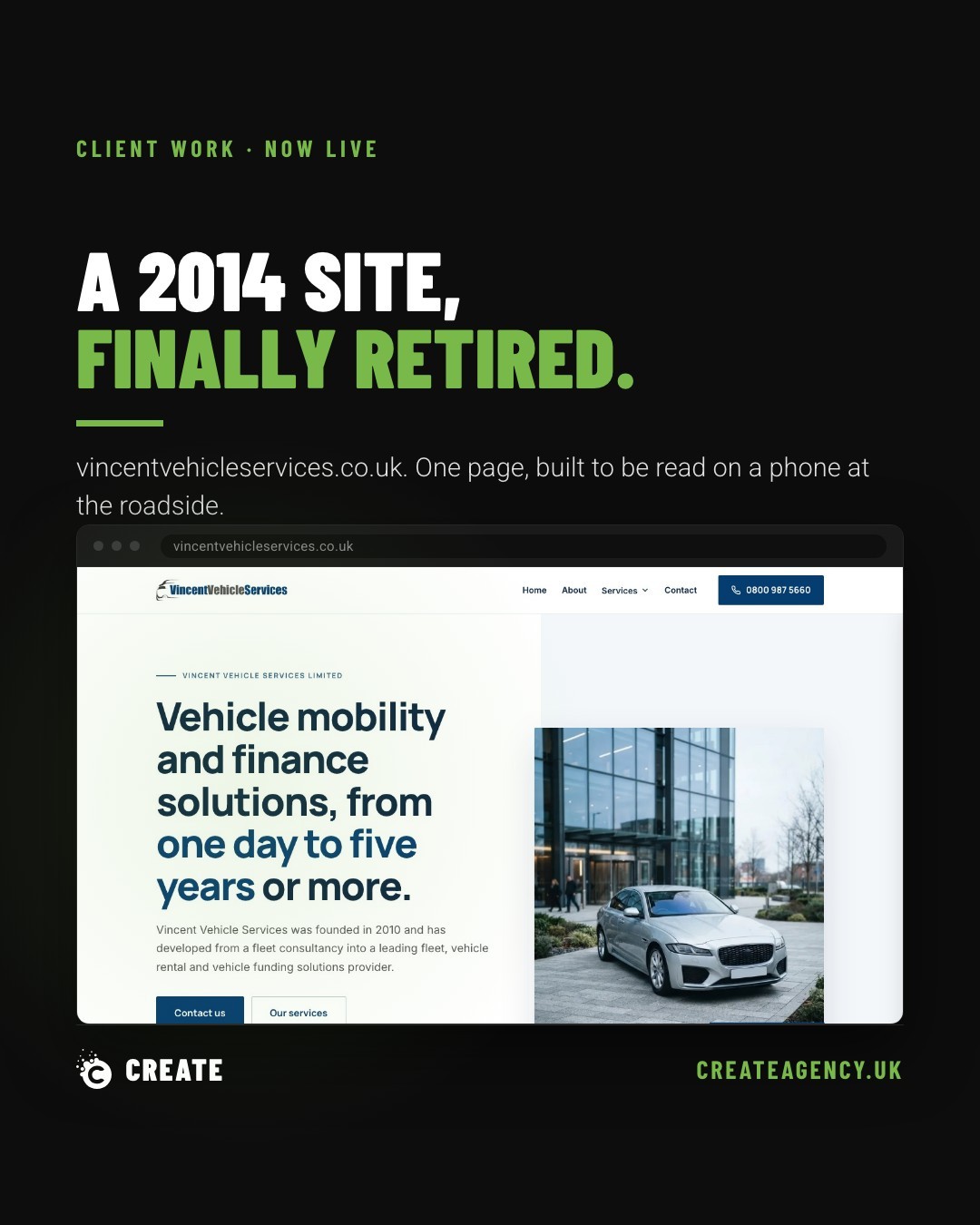
We would rather help a small business build one thing that shifts the number than five that keep everyone busy. That might mean a website rebuilt around findability and conversion rather than aesthetics alone. It might mean an SEO programme that gets a business showing up for the searches that actually lead to sales. It might mean fixing the gap between enquiry and response so fewer leads go cold.
Whatever it is, the test stays the same: would anybody notice if it stopped, and does the phone ring more because of it. If a marketing plan can't answer that, it's worth cutting before it's worth expanding.
If that short list sounds closer to reality than the current marketing plan, it's worth talking through where the gaps actually are. Our services cover exactly this territory, from web development to SEO, and the first conversation costs nothing except an hour of honesty.